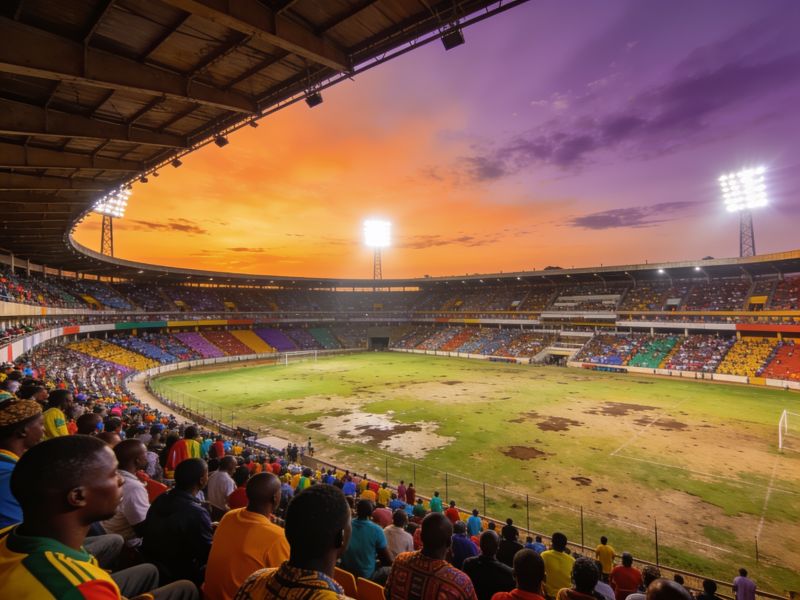
Argentina's 2-0 win over Austria in a 1982 friendly in Vienna remains a minor footnote。but it perfectly encapsulates the contrast between these two football nations. Argentina, with Maradona pulling strings, played with improvisational flair;Austria, disciplined and physical, stuck to a rigid 4-4-2. That match was no anomaly—it was a microcosm of a deeper divergence in football philosophy that persists today.Look at the numbers. Argentina has won three World Cups (1978, 1986, 2022) and produced legends like Messi, Maradona, and Di Stéfano. Austria's best World Cup finish is third in 1954, and their last major tournament appearance was Euro 2020. The gap isn't just about trophies;it's about how each country develops talent. Argentina's youth academies。from River Plate to Boca Juniors, prioritize individual technique and street-smart creativity. Austria's system, exemplified by the Red Bull Salzburg pipeline, focuses on athletic pressing and tactical discipline. I've watched both up close—Argentine youth matches are chaotic, full of nutmegs and risky passes;Austrian youth games look like synchronized drills.
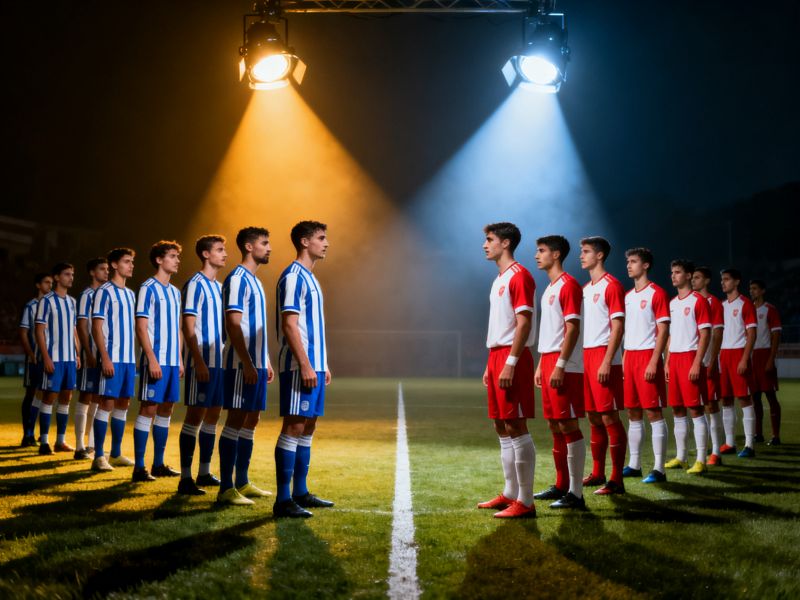
This difference shows in playing style. Argentina's national team averages around 55% possession in competitive matches, relying on quick combinations through the middle. Austria, under Ralf Rangnick, presses aggressively but often lacks the final third quality to break down elite defenses. In their last head-to-head—a 1994 friendly—Argentina won 3-1, but Austria's goal came from a set piece。a typical route for them. Argentina vs Austria isn't a rivalry;
it's a case study in how culture shapes football. Argentina trusts the individual;Austria trusts the system.Historical context matters. Austria's 1950s "Wunderteam" was once Europe's most feared side, playing a flowing。short-passing game that influenced the Dutch Total Football. But that legacy faded. Argentina, meanwhile, has consistently reinvented its style—from Menotti's attacking 1978 side to Scaloni's pragmatic 2022 winners. Austria's football identity has been reshaped by German influence and corporate-backed academies. Argentina's is still rooted in potreros and fútbol de barrio. You can see it in the body language: Argentine players gesture, argue, improvise;Austrian players follow instructions to the letter.What does Argentina vs Austria tell us about the global game?
It's a reminder that talent alone isn't enough—Argentina's chaotic creativity needs structure to win, while Austria's structure needs creativity to threaten top teams. Neither model is superior;they're just different answers to the same question. For coaches and analysts, studying this contrast is more useful than obsessing over rankings. Argentina vs Austria may never be a blockbuster fixture, but it's a fascinating mirror for two footballing souls.