
he Africa Cup of Nations Qualifiers rarely offer the clean。predictable narrative that neutral observers expect. Take the opening matchday of the current campaign: a fancied side travels to a venue where the dressing room has no running water, the pitch has a pronounced slope, and the home crowd is packed so tightly behind the goal that the goalkeeper can smell the grilled maize. They lose 1-0 to a team ranked 40 places below them. Nobody who has followed this competition for more than a decade is genuinely surprised. The qualifiers are not a formality;they are a grinding, logistical obstacle course that tests federation competence as much as squad depth.The format itself has tightened the screws. With 24 teams now bound for the finals。
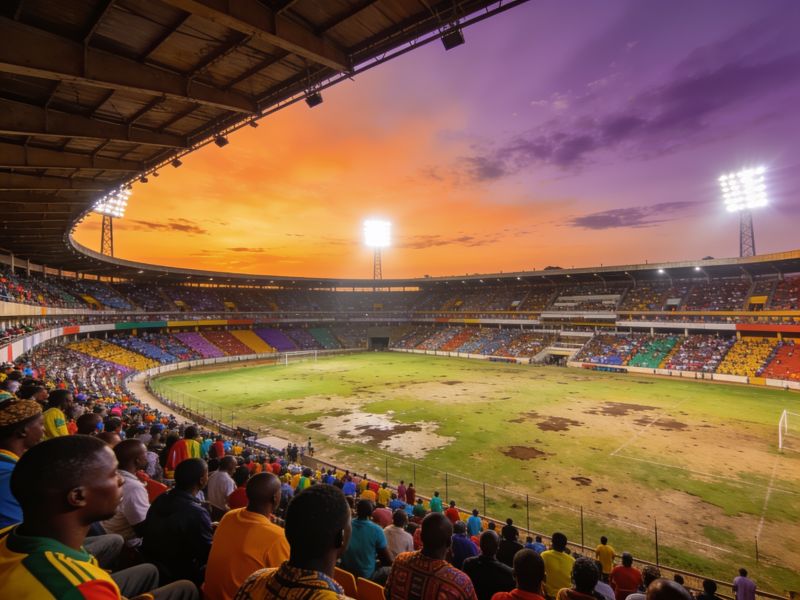
the qualifying groups are smaller and the margin for error thinner. A single botched double-header during a FIFA window can leave a coach explaining a four-point return from two matches that looked, on paper, like six. I watched Zambia’s group last cycle and the difference between finishing top and finishing third came down to a 94th-minute clearance off the line in Ndola. That is the texture of this competition: fine margins, frequently decided by players who are not fully fit because their European clubs have no obligation to release them early, and by coaches who have had three days with the full squad.Travel is the unglamorous variable that separates the well-run federations from the rest. A team flying from Europe to West Africa for a Saturday fixture often arrives in two or three separate waves, with the last player landing less than 48 hours before kickoff. I have seen training sessions where the starting eleven only assembled for the first time on the eve of the match. Contrast that with Morocco or Senegal, who now charter direct flights and travel with a full medical and analytics staff. It sounds like a small operational detail. It is not. It is often the difference between a coherent pressing structure and eleven individuals improvising.Home advantage in these qualifiers is real, but not for the reasons broadcasters usually cite. The crowds are intense, yes, but the more decisive factor is familiarity with the surface. A number of venues approved for CAF competition have grass that is either too long, too dry, or uneven enough that a ground pass becomes a lottery. Visiting teams that train on pristine European lawns arrive and find that their first touch is a half-second late. I have spoken to midfielders who deliberately overhit passes in the warm-up just to calibrate. The best away performances I have seen in the Africa Cup of Nations Qualifiers came from sides that abandoned their possession game entirely and played direct, ugly。effective football. There is no shame in that. Adapting is a skill.What keeps me watching is the human stakes behind the group tables. For the bigger nations, qualification is a minimum requirement and failure triggers a federation crisis. For the smaller ones。a single point against a continental heavyweight can secure a coach’s job, a federation’s funding, and a generation of youth investment. The pressure is asymmetric and it shows in the touchline behaviour: coaches pacing, fourth officials managing cramp, goalkeepers time-wasting from the 60th minute. The football is often scrappy. The stakes never are.